


See our photo gallery and read Victoria’s play-by-play of the programme, presentations, and people at this year’s BSHI Conference!
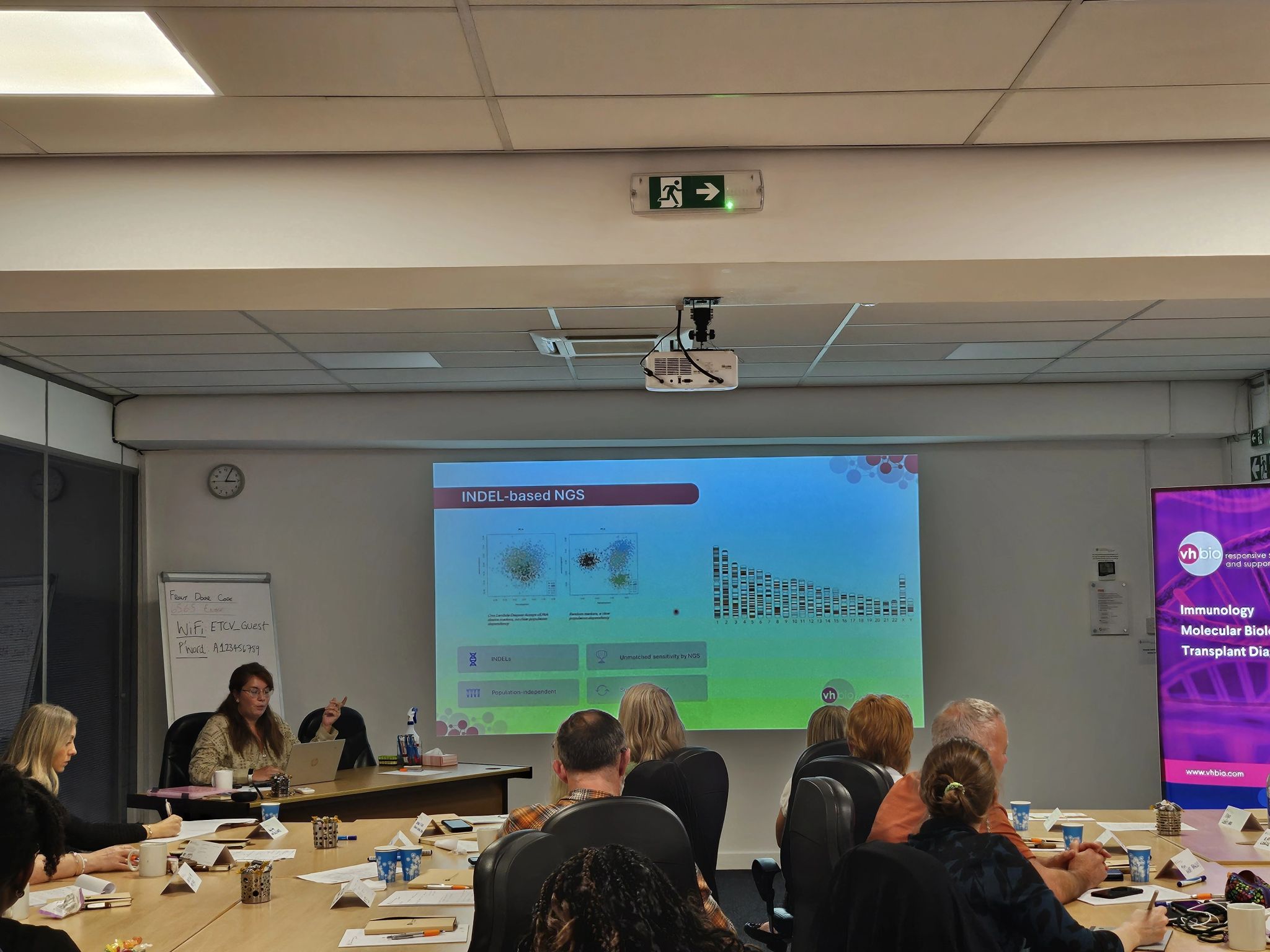
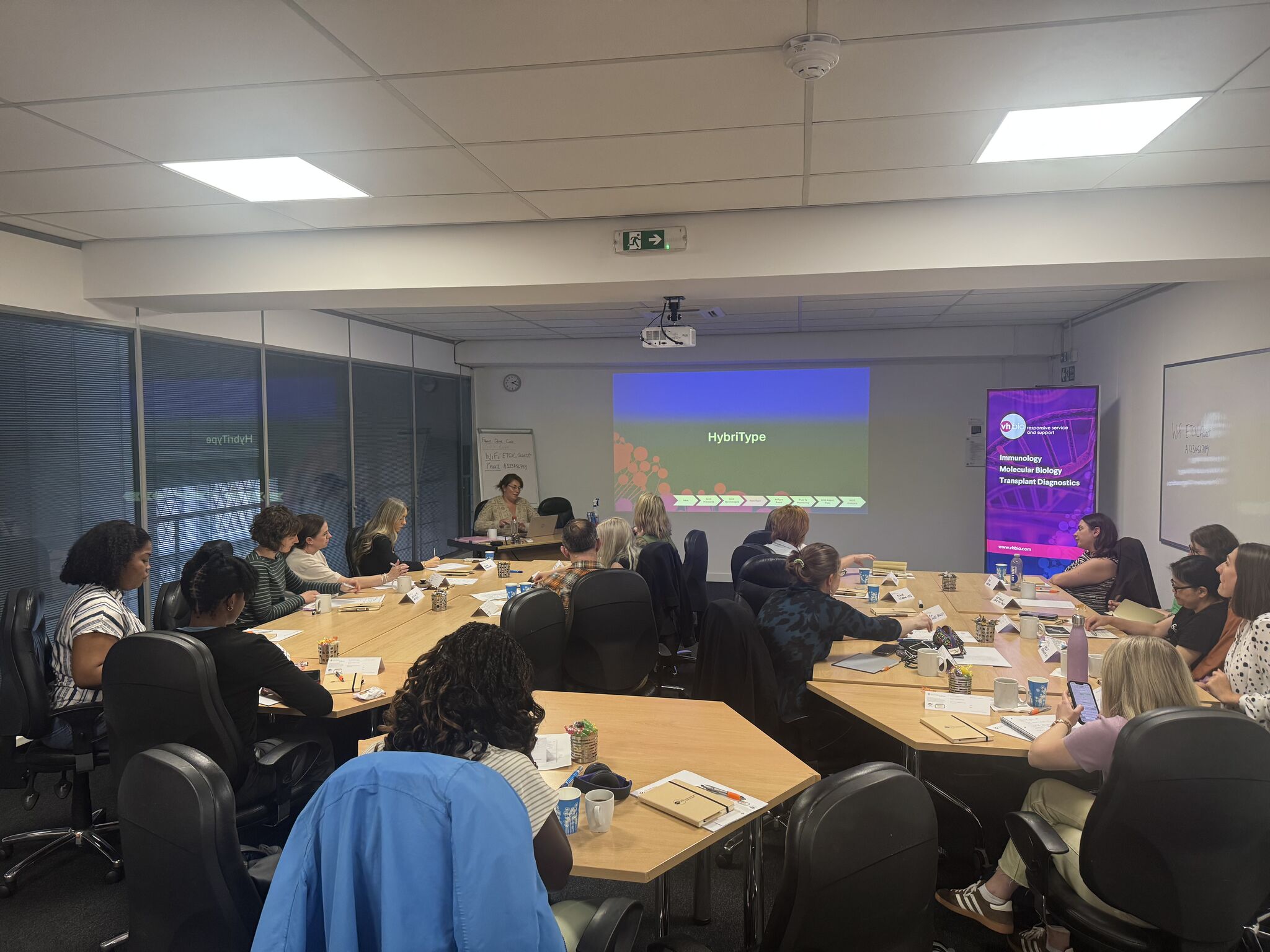
For VH Bio, it all started the day before as we hosted our Pre-BSHI NGS Technologies workshop. Armed with cups of coffee and our VH Bio Wah Wah Hut Spotify playlist, we got set up to welcome our attendees.
This year we were proud to host some familiar faces from all around the UK and ROI, as well as some new ones. Not forgetting two who came all the way from Barbados!

Once everyone arrived, Ali Wortley kicked us off by introducing VH Bio, our ‘clan’ and our ethos. Yes, this did include our food composting worms resident at our main office in Gateshead!
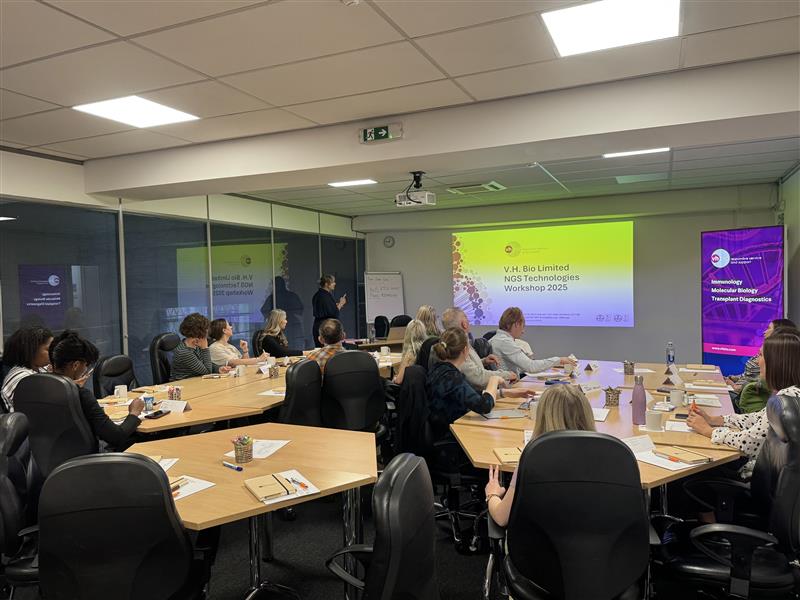
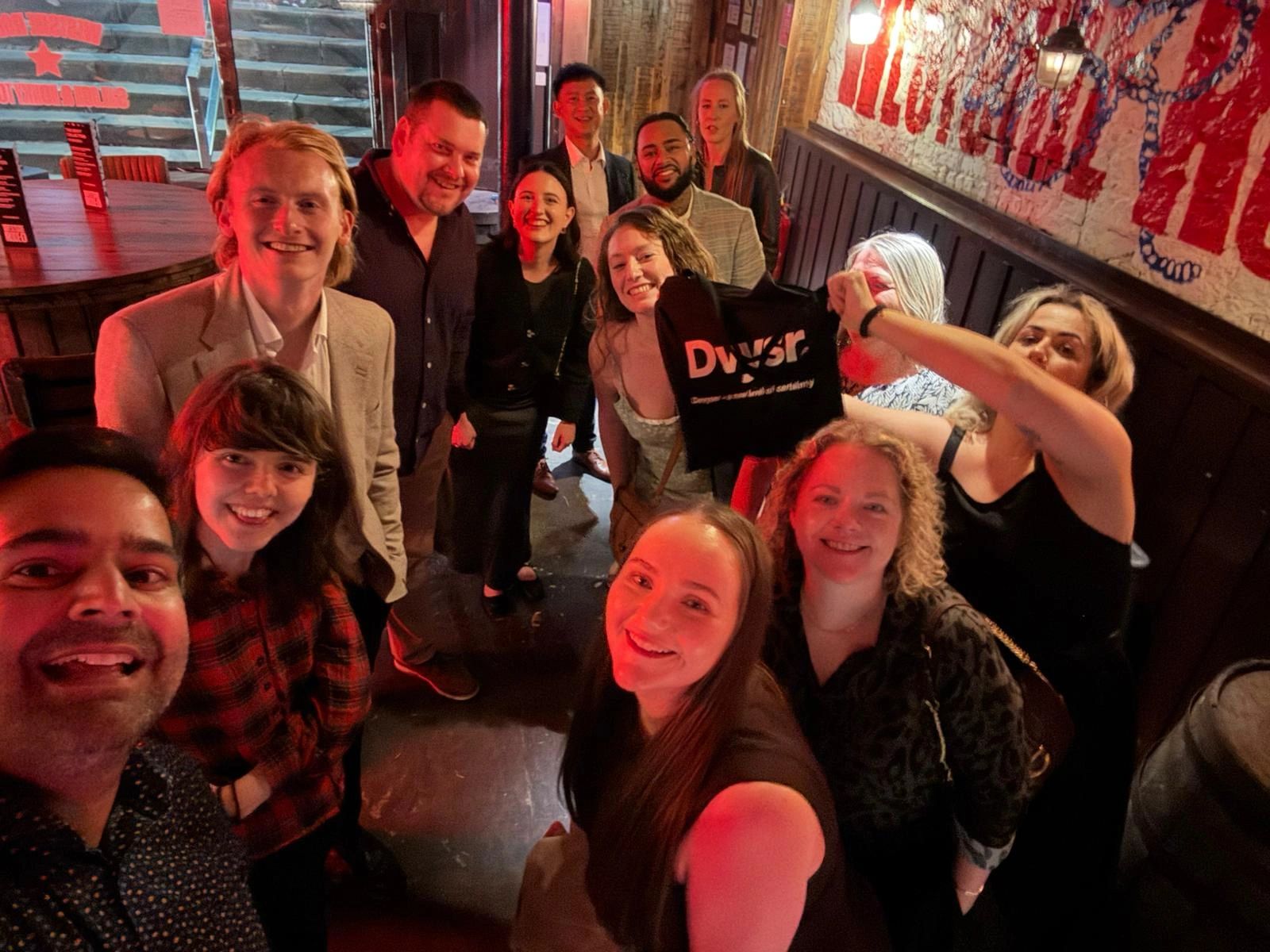
Jess Brookes, Mohammad Ali Rafique and Ben Adams then took the stage to talk about the principles of NGS technology, the next generation of NGS products (including the One Lambda™ HybriType™ NGS Hybrid Capture Assay and Oxford Nanopore Technologies-supporting AllType™ Rapid, One Lambda Devyser Chimerism NGS and Accept donor-derived cell-free DNA (ddcf-DNA). We then had a session on NGS best practice at the bench in order to get the best out of your assay (One Lambda™ or other), a Q&A and an overview of functionality within TypeStream™ Visual NGS Analysis Software. At which point it was time for everyone to have well-earned drinks, food and chat at the local Beer Palace, Brewhemia, in our very own cosy snug!
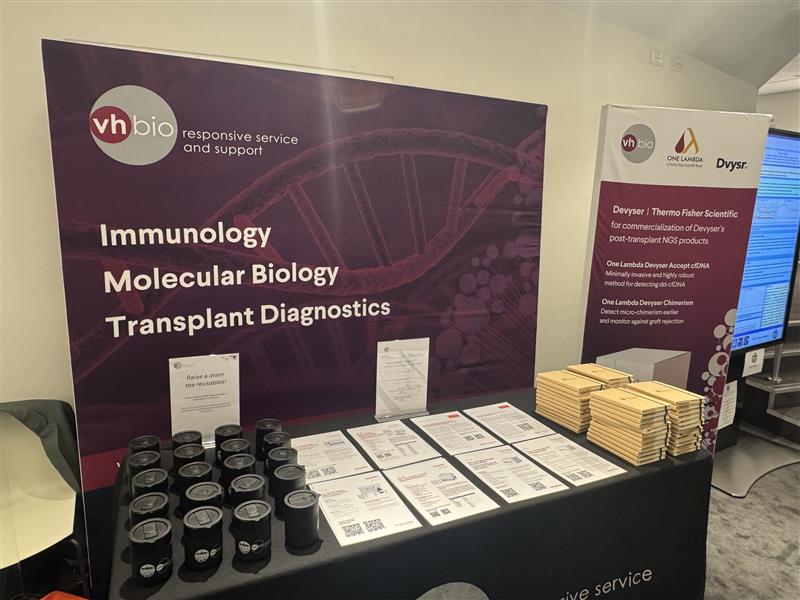
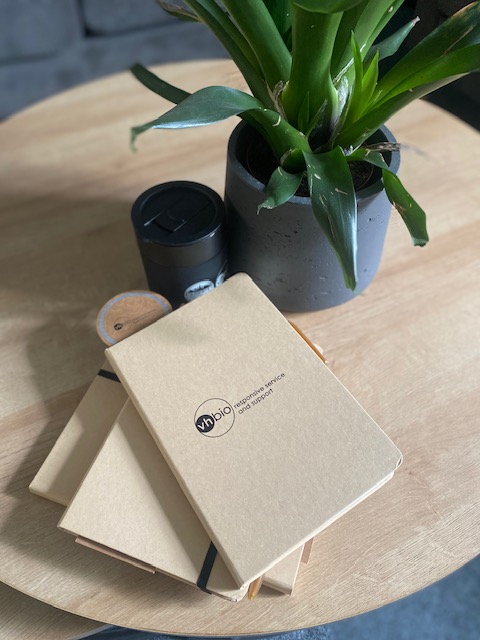
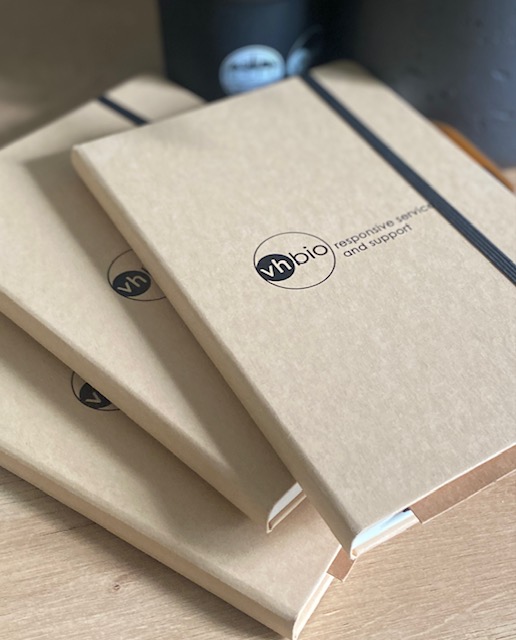
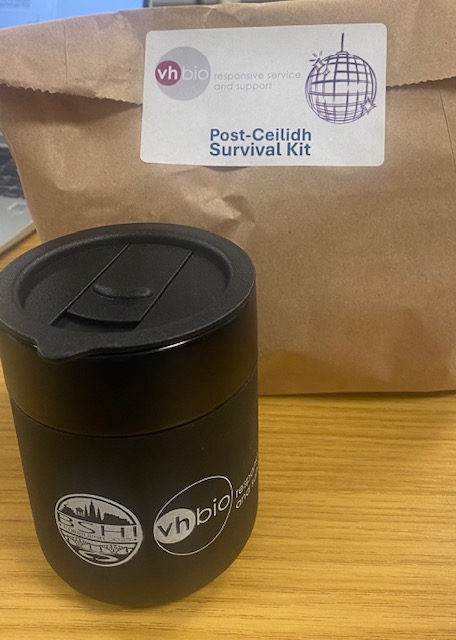
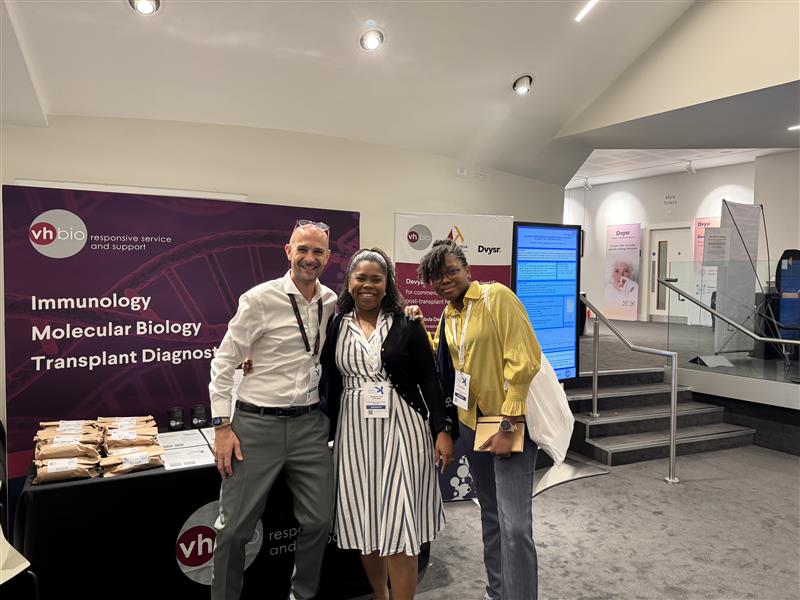
Thursday morning arrived and it was time to head to this year’s venue, the stunning Royal College of Physicians of Edinburgh, to set up the VH Bio stand including, of course, our signature BSHI mugs! This year with a difference though as they were re-usable travel mugs, in keeping with our environmental goals. Not to forget about our recycled notepads and compostable pens!
There was a fantastic range of talks on offer throughout the two days, showcasing some incredible work going on in both clinical, clinical laboratory and research settings.
I find part of the joy of attending conferences is finding out what has been going on in your field that strays from your day-to-day practice. BSHI did not disappoint!
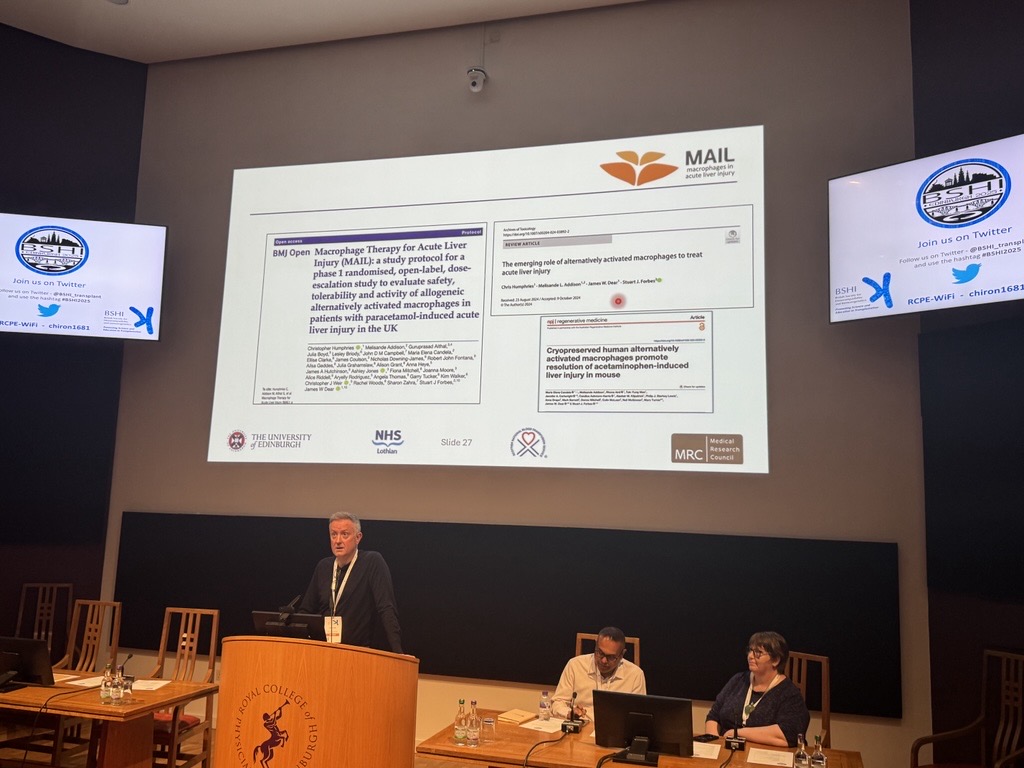
In the first plenary session we heard from Professor James Dear, a Professor of Clinical Pharmacology at the University of Edinburgh who has been working with their local H&I lab on the Macrophage in Acute Injury to Liver (MAIL) trial. This phase 1 trial aims to test the safety and tolerability of allogeneic alternatively-activated macrophage (AAM) cell therapy in acute liver injury (ALI) following paracetamol overdose. Going forward, the hope is that AAMs are found to localise to the injured liver tissue, target necrotic hepatocytes and reduce inflammatory factors due to their anti-inflammatory, wound healing phenotype, thereby preventing progression to acute liver failure (ALF). With the short timeline of progression between ALI and ALF in the context of paracetamol overdose, there is insufficient time to produce autologous cell products. Enter H&I. Trial donors and participants are HLA typed and those participants with a history of pregnancy or blood product transfusion are screened for HLA antibodies with the results of both being used to guide selection of donor AAMs. Post-dose samples are also taken to assess AAM immunogenicity through production of HLA-antibodies. A lovely example of where a H&I lab can contribute to the prevention of requirement for transplantation as well as facilitating it when it is needed!
The range of transplant immunology investigations is often referred to as the H&I toolbox. With all the exciting research going on in the field, it is no surprise that more tools are being added to that box and that pre-existing tools are being utilised to provide insight into potential new ways of working.
This year’s deserving winner of the Paul Sinnott Next Generation Scientist Award was Chelsie Coombes from North Bristol NHS Trust H&I laboratory who presented her work around the influence of epitope mismatch load on donor selection and its predictive value for the development of de novo donor specific antibody in renal transplantation. She used HLA Matchmaker to evidence that epitope matching provides more accurate compatibility assessment than antigen matching and supported the view that it has the potential to lead to improved kidney transplant outcomes.
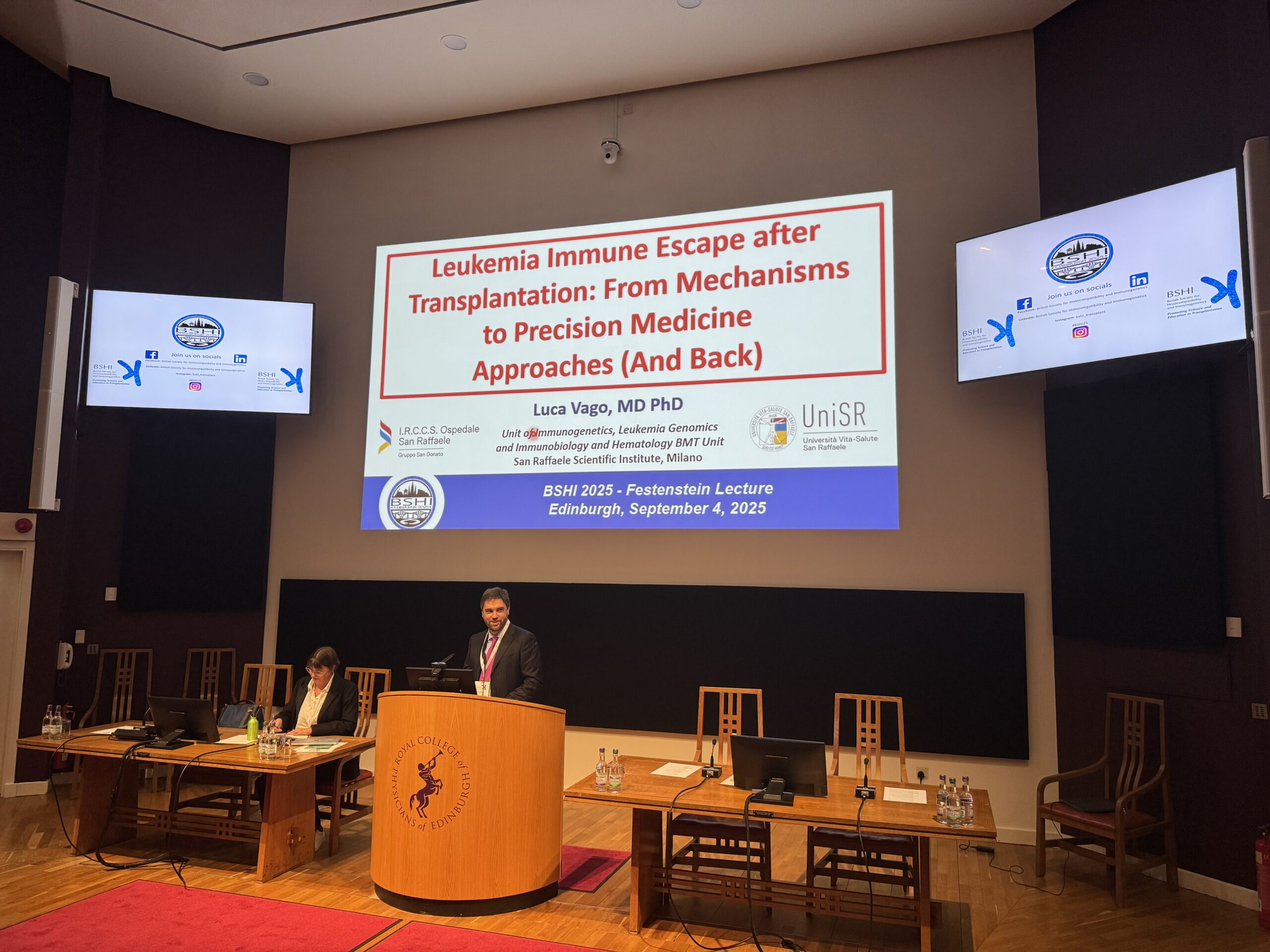
This year’s Festenstein lecturer Professor Luca Vago, Associate Professor of Haematology, San Raffaele Scientific Institute and University, presented on the topic of Leukaemia immune escape after HSCT with particular focus on HLA loss relapse, where mismatches relevant for the graft-vs-leukaemia effect are eliminated. He presented data examining the frequency of HLA loss relapse according to donor type which indicated the least occurrence in those receiving umbilical cord transplants and the most in those receiving haploidentical transplants from a family member. The hypothesis, therefore, being that it is beneficial for HLA mismatches to be located across both haplotypes, i.e. in a trans-configuration, to reduce the risk of HLA loss relapse. The obvious stumbling block here is a lack of phasing information inherent to most HLA typing techniques and the work involved in assessing population-specific haplotype frequencies on a manual, pair-by-pair basis. In conjunction with DKMS and University Hospital Essen, Professor Vago and his team have developed a web-based tool which calculates the probability of trans-located HLA mismatches in patients compared to donors – The HLA Haplotype Match Calculator – with the aim of facilitating teams involved in donor selection to reduce the risk of HLA loss relapse.
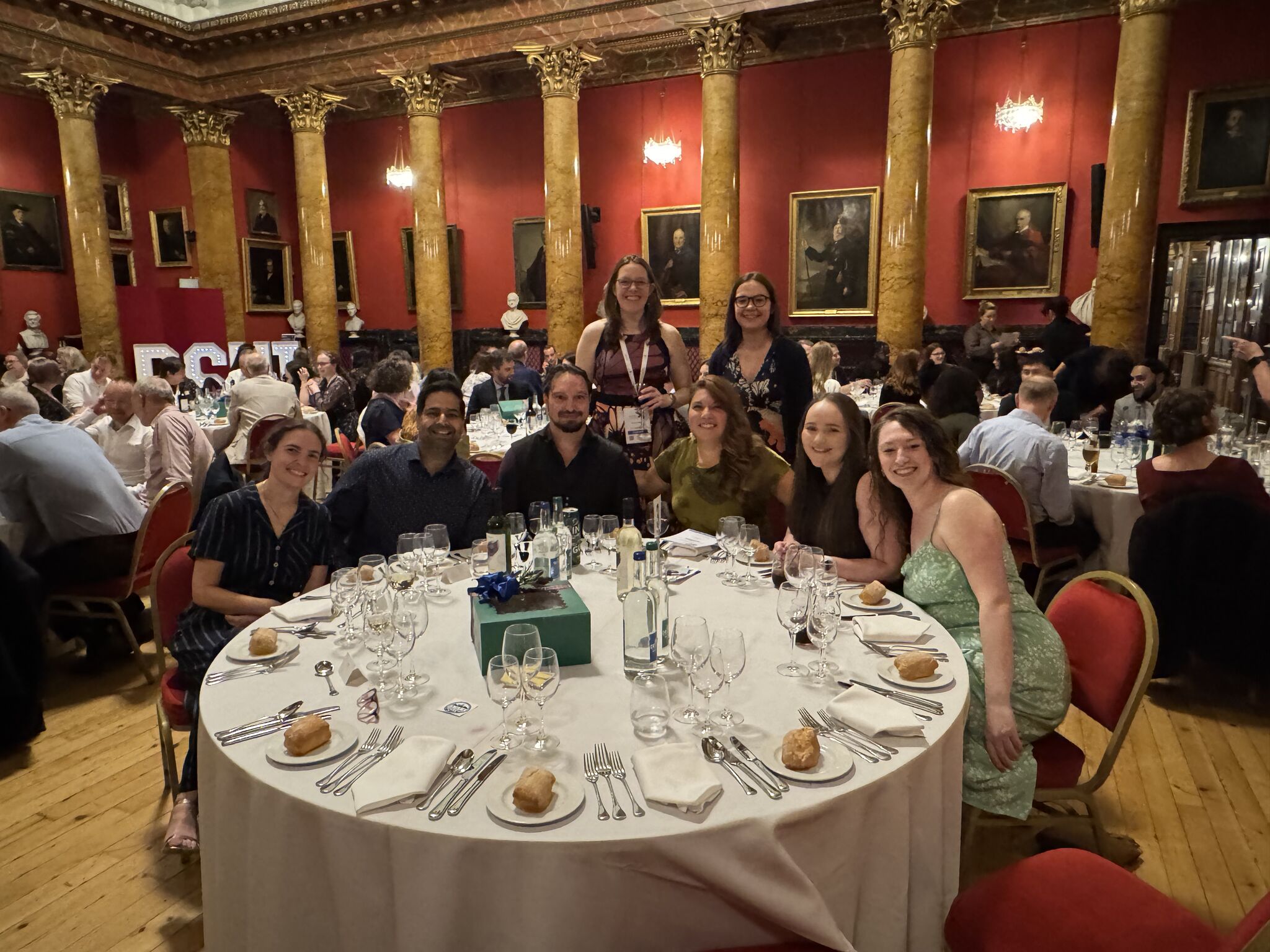
The gala dinner was, as always, a highlight! It started off with the chance at each table to win a beautifully presented box of Scottish goodies expertly put together by Sylvia McConnell of the Edinburgh H&I laboratory! After a lovely meal with some very lovely people we all moved to the stunning library where we had the presentation of a honorary BSHI membership to Dr. Ann-Margaret Little to recognise her very significant contribution to the H&I discipline and community over her career – thank you Ann-Margaret! Chelsea was also awarded her Paul Sinnott Next Generation Scientist award which includes a VH Bio bursary to put towards attending another meeting of her choice – congratulations Chelsea! The hard earned BSHI Certificate of Competence and BSHI Diplomas were also awarded.
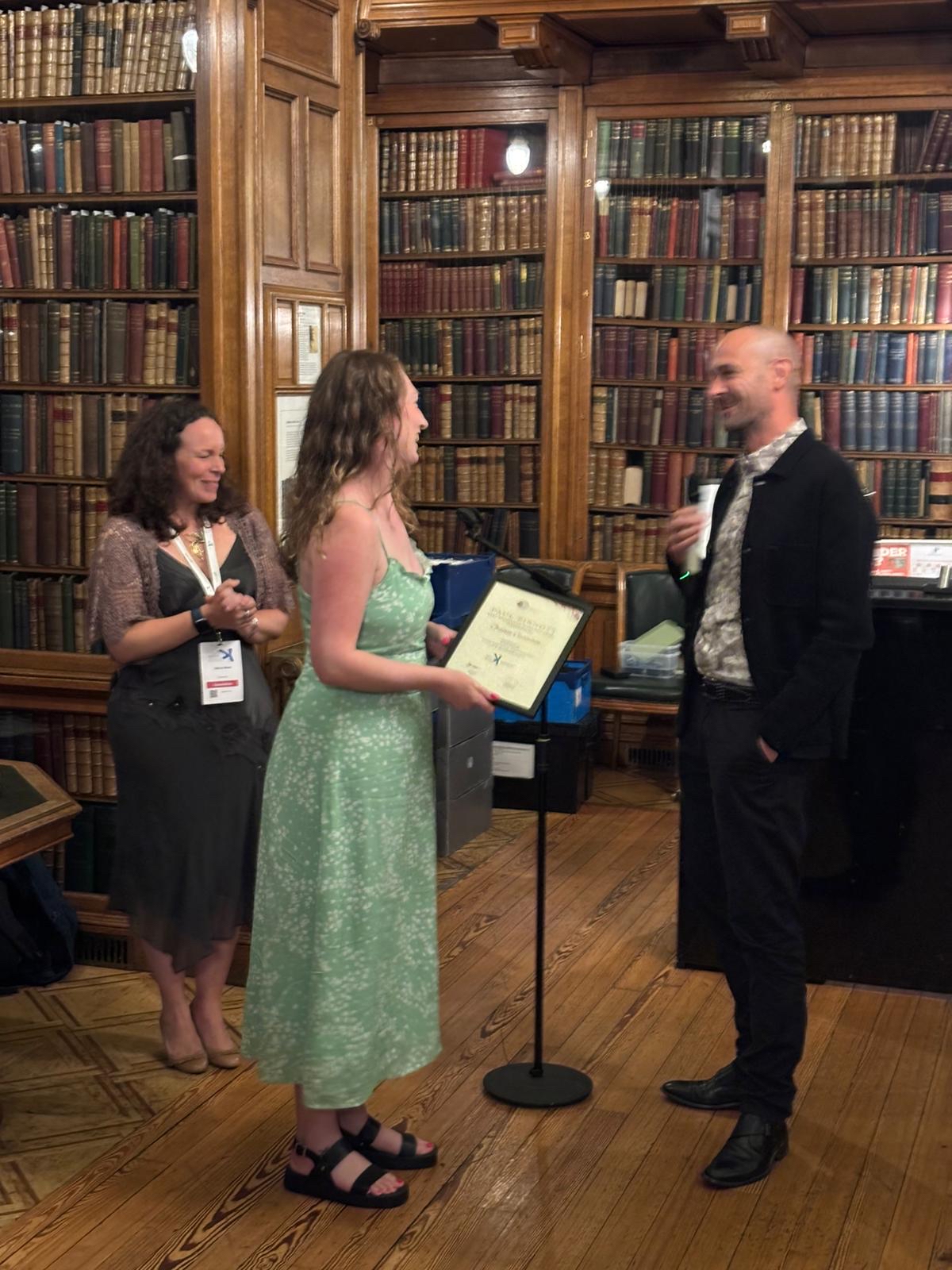
Chelsie Coombes, Specialist Biomedical Scientist at North Bristol NHS Trust, accepting the Paul Sinnott Next Generation Scientist Award from VH Bio’s Ben Adams
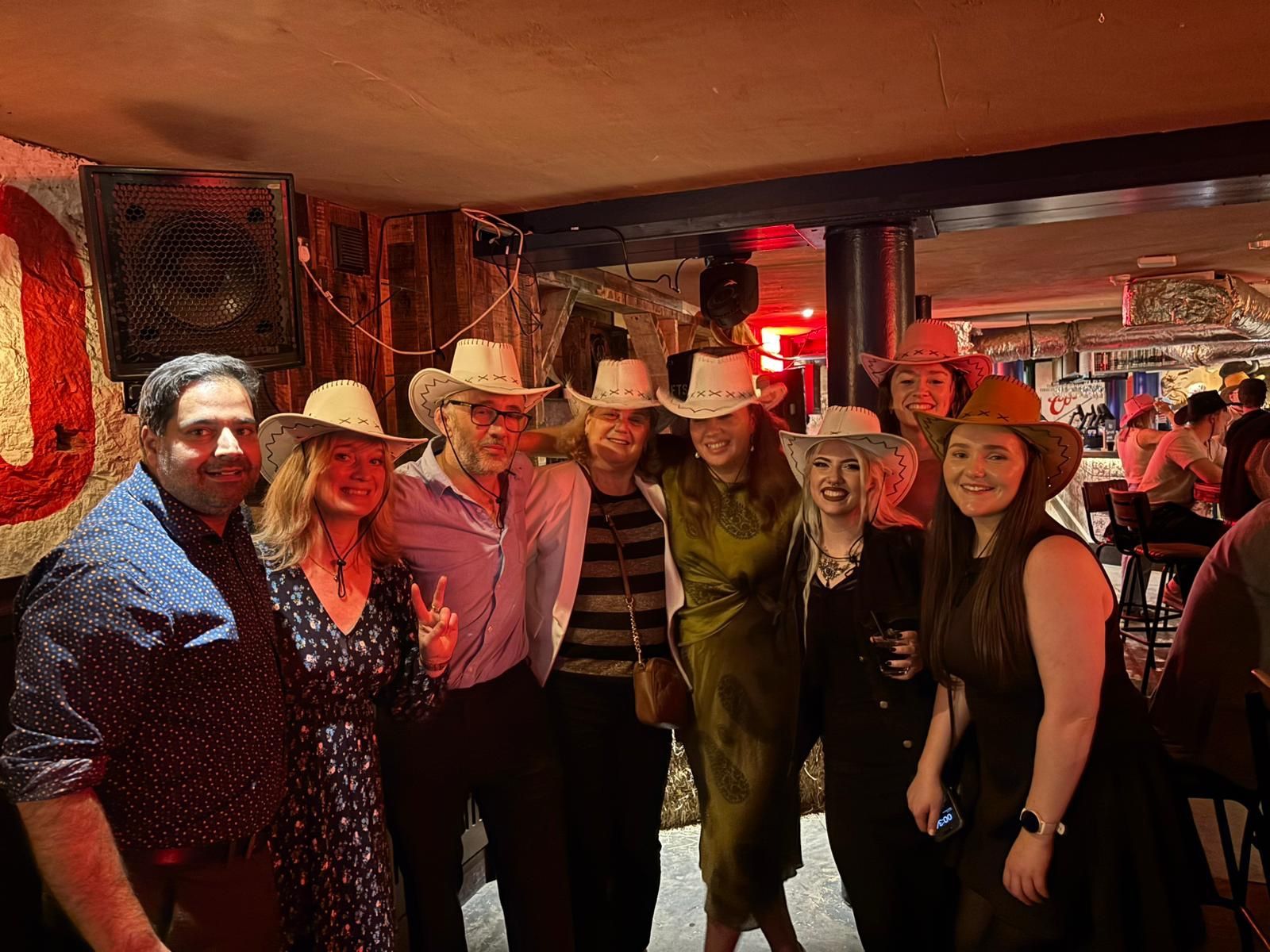
Day Two brought plenty more interesting talks including the Best Abstract session which was won by Lizzy Russell-Lowe from the Manchester H&I laboratory for her presentation on the utility of Oxford Nanopore technology. I’m very sure we’ll be hearing a lot more about this technology in years to come as yet another addition to the toolbox – congratulations Lizzy! In case anyone was feeling worse for wear from the previous night’s festivities, the fabulous VH Bio Post-Ceilidh (oops, not ceilidh but disco!) survival packs with enough Scottish-themed sugar to keep you going through the day and back home were on hand!
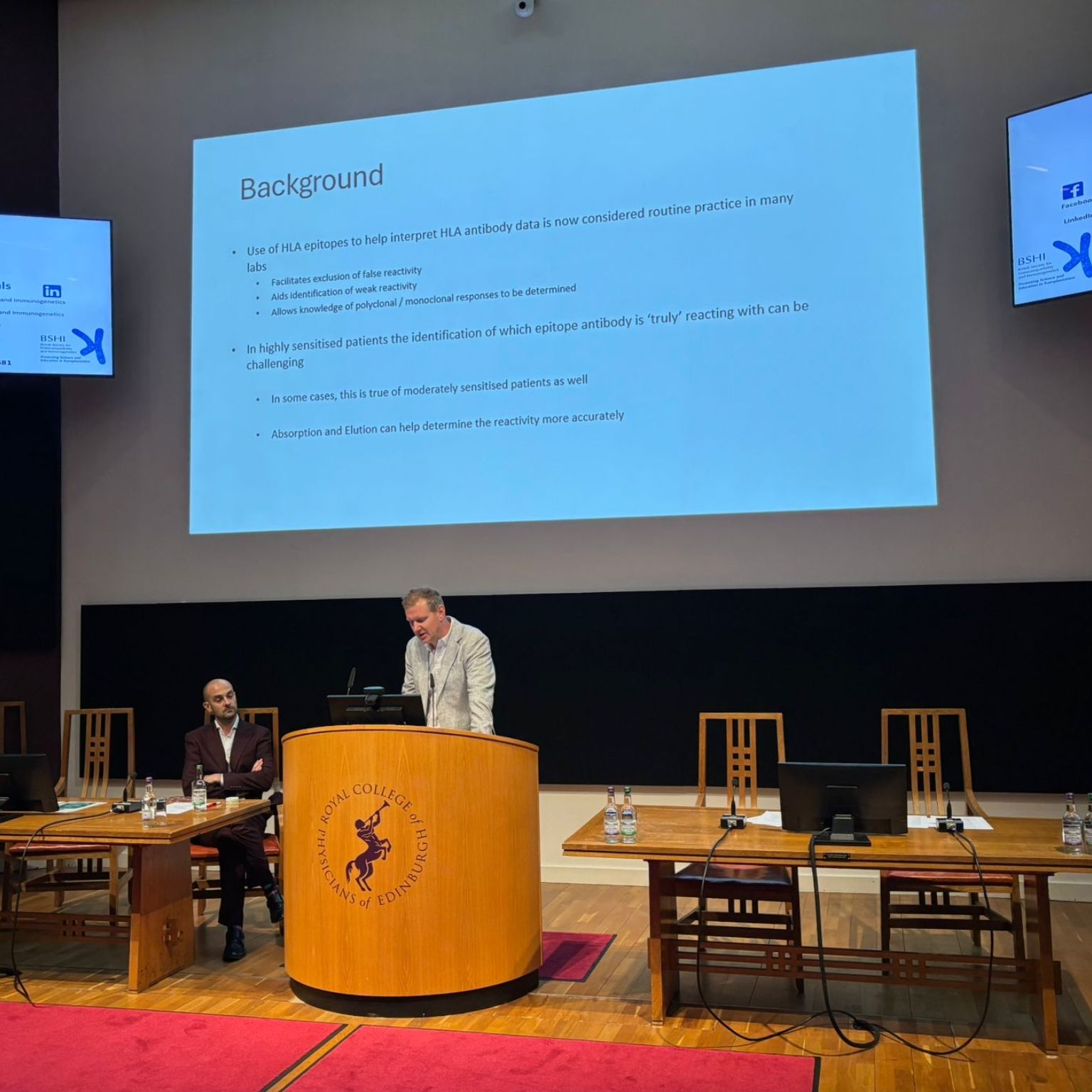
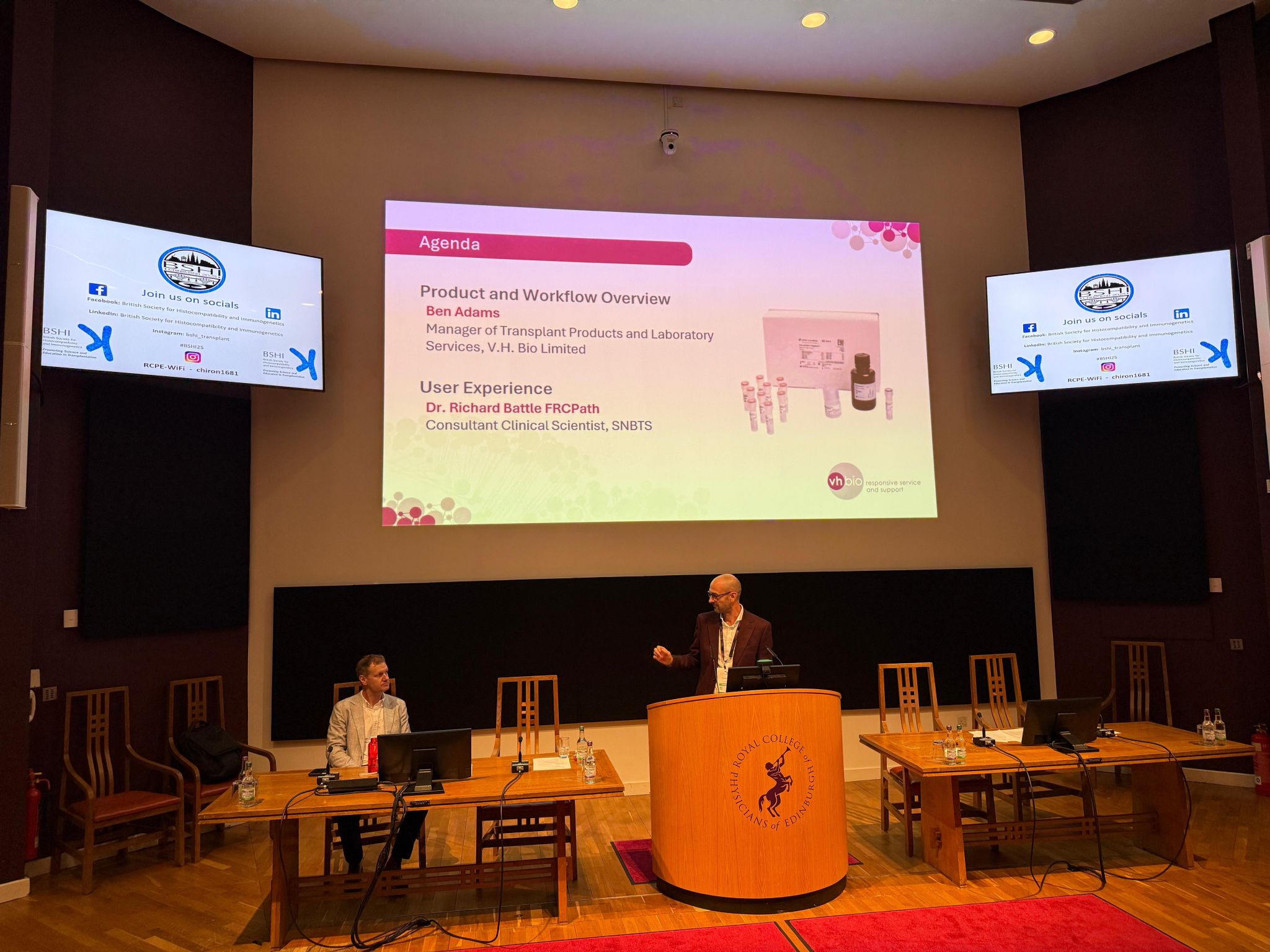
At lunchtime, VH Bio’s very own Ben Adams and Dr. Richard Battle, Consultant Clinical Scientist at the Edinburgh H&I laboratory took part in the trade workshop sessions to highlight the utility of One Lambda™ MagSort™ in the isolation of specific HLA antibodies. Ben gave a run through of the workflow and explained its derivation from Dr. Rob Liwski’s AXE technique enabling the adsorption and elution of targeted HLA-specific antibodies from complex sera with a view to improving antibody characterisation, including epitope-level target of reactivity. Richard Battle then provided his experience using One Lambda™ MagSort™, including for the identification of reactive epitopes, indicating ‘strength’ of an antibody and differentiating between polyclonal and monoclonal reactivity. He also gave us a heads up around some work in the pipeline utilising One Lambda™ MagSort™ which has revealed some previously unreported highly immunogenic epitopes!
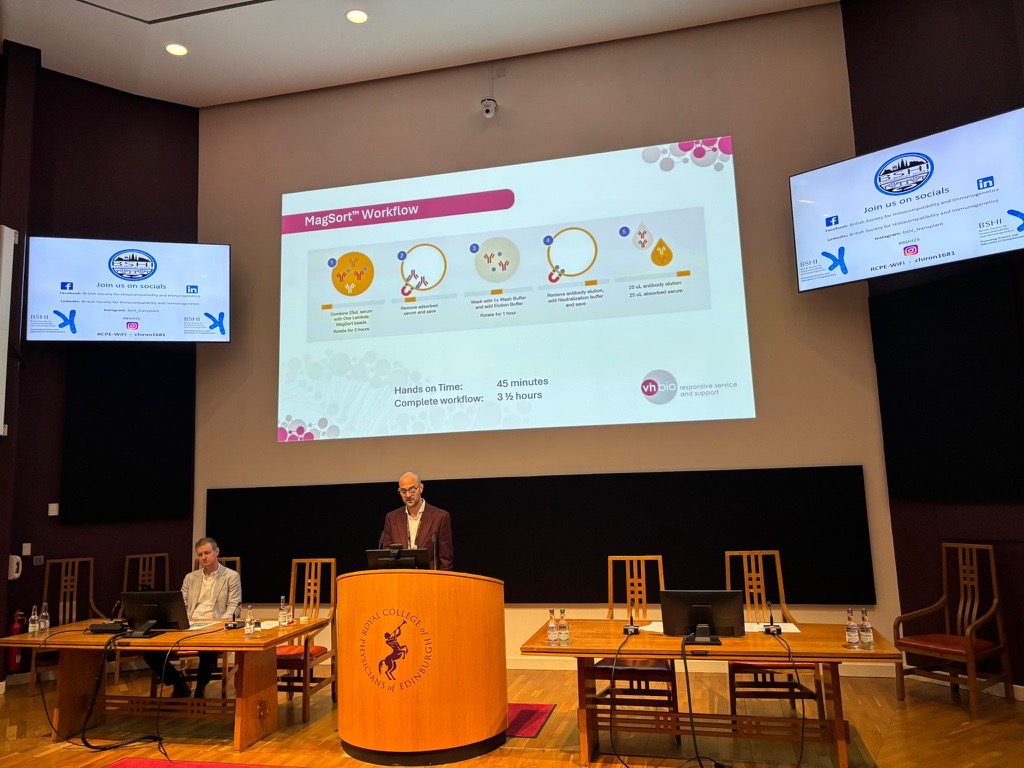
Towards the end of the day we were treated to a debate: ‘Should xenotransplantation be pursued as a viable solution for organ shortages, or does the potential risk to human health and ethics outweigh its benefits?’ Dr. Matthew Wellberry-Smith, a consultant renal transplant physician in Leeds provided us with the affirmative view and Mr Andrew Sutherland, a consultant transplant surgeon in Edinburgh took the opposite. It was a fascinating debate with both speakers arguing their case exceptionally well, giving us all food for thought no matter what side of the fence we originally sat on! However, the audience poll ultimately came out a majority in favour of the negative view, only just though!
There were so many brilliant people and parts of BSHI 2025, I could only mention a few of them. A huge thanks to the SNBTS Edinburgh H&I laboratory for all their work in organising such a fantastic conference! The theme of advancing networks was definitely achieved through a fabulous delegate turn out and variety of speakers across multiple disciplines all coming together to share knowledge and a few glasses of wine!
Enquire about this article
"*" indicates required fields
