Human Leukocyte Antigen (HLA) is not the only immune response gene for which variants have been identified, and where variants can impact the immune response either directly or through sensitisation to non-self (allogeneic) variants.

Killer Cell Immunoglobulin-Like Receptor (KIR)

KIR genetics is complex: different KIR genes may or may not be present, giving rise to genetic diversity.  Like HLA, polymorphic variants of the KIR genes also exist; different alleles may exhibit functional differences.

We perform PCR-RSSO presence/absence testing for the following Killer Cell Immunoglobulin-Like Receptor (KIR) genes:

Activating KIR genes

  • KIR2DS1, KIR2DS2, KIR2DS3, KIR2DS5, KIR3DS1, KIR2DS4*

Inhibitory KIR genes

  • KIR2DL1, KIR2DL2, KIR2DL3, KIR2DL4, KIR2DL5*, KIR3DL1, KIR3DL2, KIR3DL3

Pseudogenes

  • KIR2DP1, KIR3DP1

* Including non-expressed null alleles

Antibody Detection

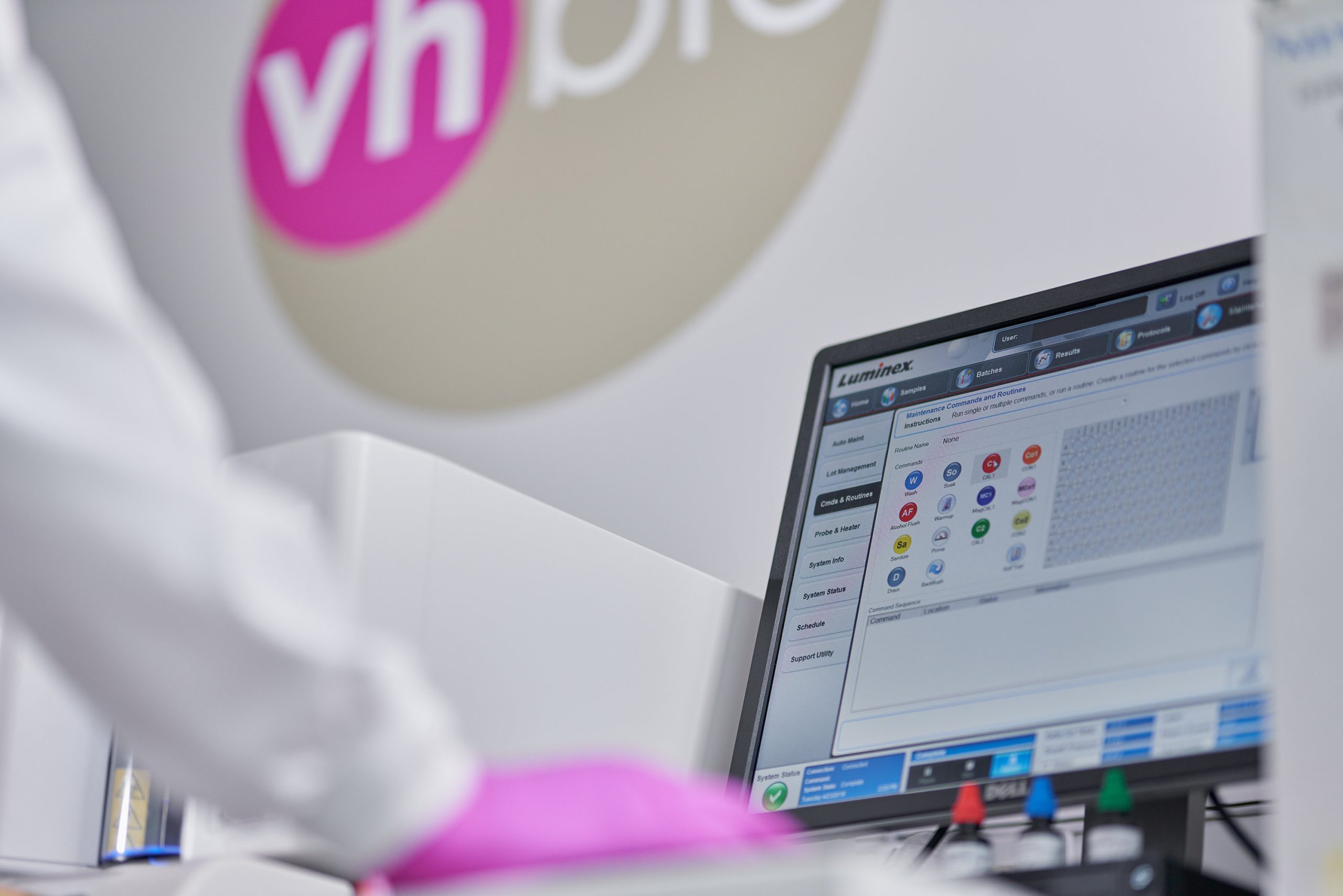
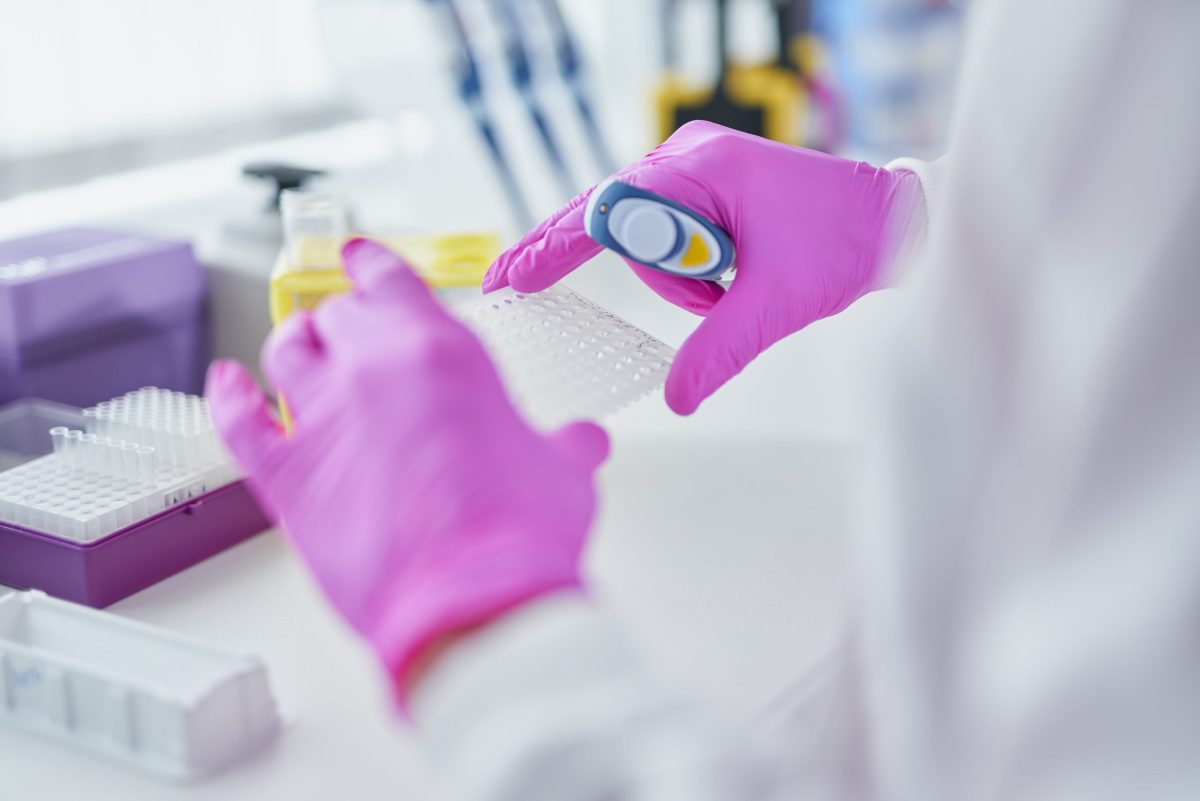
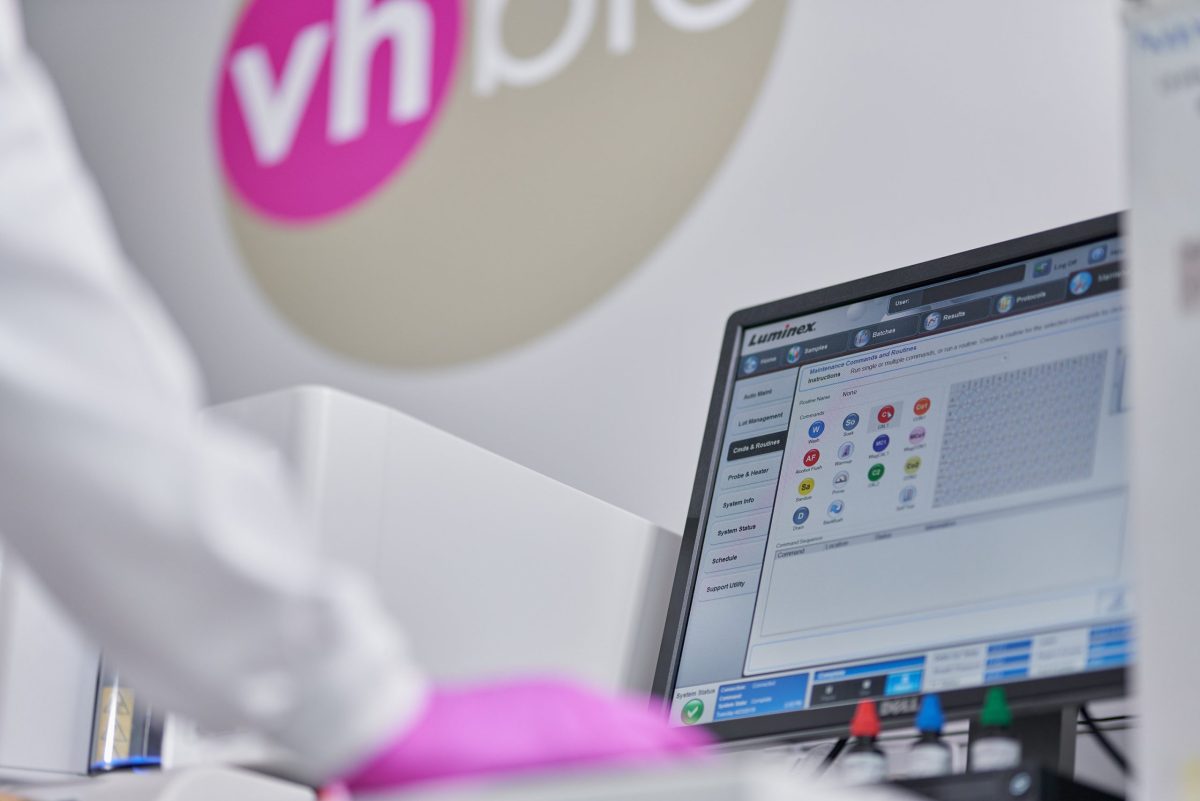
We use Luminex xMAP® technology to detect antibodies (presence/absence testing) and are able to further characterise antigen specificity as required.

We use the most comprehensive antigen panels available.

Our assays are able to detect and characterise human IgG antibodies directed against:

  • HLA Class I (HLA-A, HLA-B, HLA-C) and Class II (HLA-DRB1, HLA-DRB3, HLA-DRB4, HLA-DRB5, HLA-DQA1, HLA-DQB1, HLA-DPA1 and HLA-DPB1).
  • Human Neutrophil Antigens (HNA):  HNA-1a, HNA-1b, HNA-1c, HNA-2, HNA-3a, HNA-3b, HNA-4a, HNA-5a and HNA-5b.
  • MHC Class I Related Chain A (MICA).
  • A variety of putative autoantibodies.

Whether you require antibody detection and specification in the sera of research subjects or the supernatant of cell lines, our team are happy to provide advice when planning your study or interpreting your results.
“The VH Bio bursary greatly supported my participation in the ASM–IISc Symposium, and the application process was impressively quick and straightforward. The Symposium delivered exceptional scientific content and meaningful opportunities to connect with leading researchers in microbiology. Presenting my poster led to insightful discussions and promising collaborative avenues. I am sincerely grateful for this support and would highly recommend the bursary to early-career researchers seeking to expand their scientific reach and visibility.”

“Attending the EBMT 7th International Conference on Relapse After Transplant and Cellular Therapy in Madrid, Spain was an inspiring and formative experience that has significantly shaped both my ongoing MSc thesis work and my development as a Trainee Clinical Scientist. As part of the final year of the NHS Scientist Training Programme in Histocompatibility & Immunogenetics (H&I), I am currently undertaking research on HLA-DPB1 match status and its clinical implications on outcomes such as acute GVHD and disease relapse following allogeneic haematopoietic stem cell transplantation (HSCT). This conference felt like the perfect opportunity to deepen my understanding of the wider clinical landscape in which my work sits.

“I chose to attend because the event brought together leaders in relapse biology, transplant immunology, and clinical decision-making—all areas directly relevant to refining donor selection strategies and understanding how HLA molecules may influence transplant outcome. Hearing the latest insights into relapse management, particularly for conditions such as AML and ALL, conditions that affect a large proportion of the patients my team and I support, allowed me to see how developments across disciplines ultimately translate into improved patient outcomes.

“One of the most valuable aspects of the conference was the breadth of knowledge I gained around measurable residual disease (MRD) monitoring and relapse detection, and how closely clinical transplant teams and genetics and H&I laboratories must work together to guide key clinical decisions under intense time pressures. Learning how these teams collaborate to shape interventions such as donor lymphocyte infusions (DLI) or second allogeneic HSCTs has given me a far more holistic perspective on transplant care. This has already enriched my thesis work—helping me interpret HLA-related data in a more clinically grounded and context-aware manner.

“Beyond the scientific insights, the personal connections I made were just as meaningful. I had the chance to meet several clinicians and scientists I frequently communicate with but had never met in person. Putting faces to names helped me appreciate the wider clinical community I am part of and gave me an even stronger sense of purpose in the work we do at NHSBT. I returned feeling proud, energised, and more connected to the impact our laboratory contributions have on patients undergoing HSCT.

“I am incredibly grateful to VH Bio for supporting my attendance through their Educational Bursary. The application process was simple and encouraging, and it prompted me to reflect on the learning opportunities that would truly support my growth—many of which would otherwise be financially difficult to pursue. I would strongly recommend that anyone considering applying for the bursary takes the step; you never know what doors it may open or how profoundly it may enhance your professional journey.”

“The bursary from VH Bio was essential for my ability to attend the 2025 Research Quality Association International Conference in Belfast: their support with the registration allowed me to justify and obtain further funding for travel and subsistence through my university in times when spending is tightly controlled. The conference was a great event, with plenty of speakers with global knowledge of how best to implement regulatory compliance (at European and USA level) in the context of pharmaceutical and clinical research. I learned lots on the day-to-day practicalities of assuring quality in our clinical research work: how to manage this type of work practically and empathetically within my team, how to document our quality efforts as well as how to be prepared for future inspections; all for the benefit of the participants in trials that are going to lead to improved medical care. In particular, the workshop and talks about how quality managers interact with research labs delivering services for clinical trials allowed me to contribute with my own personal experience and to bring home easy tips that will facilitate my lab involvement in future work. An excellent opportunity, so much so that since returning from the conference I have been invited to join (and done so!) the RQA Northern Regional Forum as well as the RQA Research Practice Group (Special Interest Group).

“I am truly grateful to VH Bio for their support as the conference represented a solid stepping stone on my professional development and on the introduction of Quality Assurance across our research facilities.”

“I am incredibly grateful to have been approved for the VH Bio Educational Bursary as it allowed me to attend the British Histocompatibility and Immunogenetics (BSHI) Conference 2025. As someone, new to this field, the conference was an invaluable opportunity to deepen my understanding of both current and emerging practices and technologies within H&I. 

A highlight for me was the exposure to the developments in Next-Generation Sequencing (NGS). We currently use it for other tests but seeing its implementation in HLA typing and how different labs have adapted it to their workflow, has opened possibilities for the future capabilities of our lab, in its clinical use and for research purposes. 

Another truly impactful moment for me, was being able to connect and network with attendees and exhibitors alike, from a diverse range of backgrounds and expertise. It brought new insight and perspectives that I hope can support our local HLA program at the Best-Dos Santos Laboratory, so that we can provide a more informed service. 

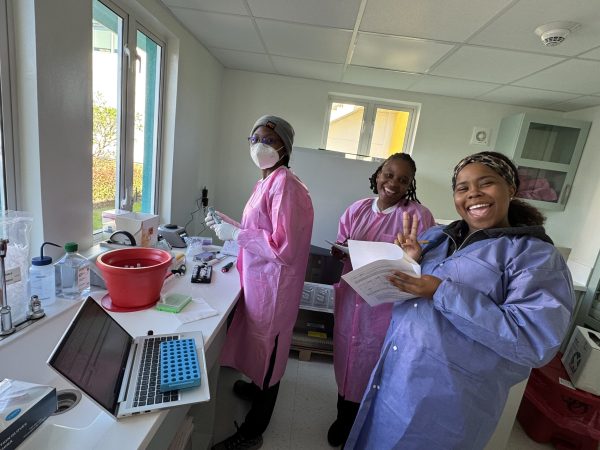
Thank you again for the incredible opportunity and for the constant support in advancing not just my career, but also the goals of a growing healthcare program in the small yet ambitious island of Barbados.”

“Continuing Professional Development (CPD) is essential for professionals to maintain and enhance their skills, knowledge, and competence throughout their careers. It ensures professionals stay up to date with industry standards, adapt to changing technologies, and deliver high-quality services. CPD also boosts confidence, improves career prospects, and can lead to greater job satisfaction and professional growth.

As a health and care professions council (HCPC) licensed biomedical scientist my CPD is linked to my HCPC registration, and I need to meet the 5 CPD standards set by HCPC to stay registered. VH Bio Educational Bursary has been of a tremendous support to my professional development. I used the bursary to pay for my CPD Biomed Online course in renal disease at Greenwich University.

This course has helped me to keep up to date with recent developments in biomedical sciences. Through out this course I was exposed to acquisition of knowledge necessary for me to practise safely and effectively on the job. I learnt a lot of new things, one of them was ‘Developmental origins of health and disease (DOHaD).

This concept suggests that adverse conditions during organogenesis increase the vulnerability to developing adult diseases. This concept is also called ‘programming’. This concept has led to a theoretical shift in the therapeutic approach from adult life to an earlier stage, namely, reprogramming, to potentially reverse disease processes before clinical disease becomes evident.

I am so grateful for the VH Bio Educational Bursary for making it possible for me to enrol unto this course.”

“I had the pleasure of attending the 2025 World Congress of the International Pancreas and Islet Transplant Association (IPITA) in Pisa, Italy. I greatly enjoyed the talks and found it truly inspiring to see the direction the field is taking, particularly the advances in immunomodulation approaches and stem cell therapy for the treatment of type 1 diabetes. The conference allowed me to learn from and network with experts in the field, providing valuable motivation and inspiration for my Master’s of Research at the University of Oxford.”

Very happy with speedy, friendly service.

Everyone is always very helpful and responsive to questions and problems, thanks very much to all.

I think other companies will have a job to match the customer service we enjoy from VH Bio.

We feel exceptionally supported in our work by VH Bio Ltd and we feel that VH Bio Ltd understand the pressures we face on a daily basis so know they value our organisation.

Great experience with VH Bio. They are always happy to help and communication is easy.

Thanks a ton for your super speedy service. It’s such a pleasure to get such a rapid turnaround. I’ll be highly recommending VH Bio Ltd to colleagues!

If U Care Share  

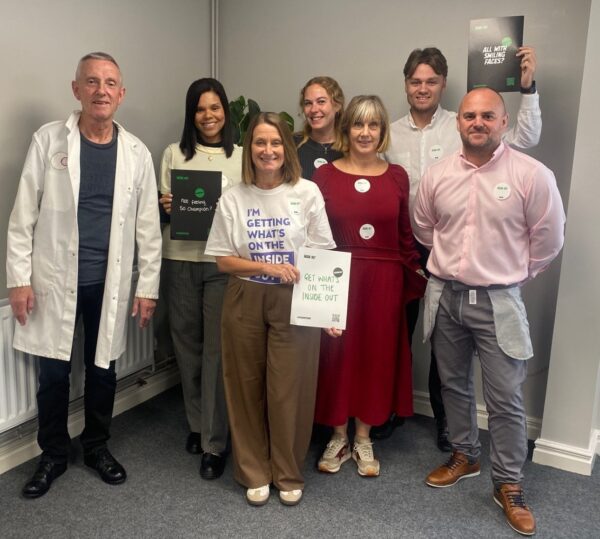
VH Bio partners with If U Care Share, an independent charity based in the North East of England. The charity does amazing work focusing on the prevention and intervention of suicide as well as the support for those bereaved by suicide.  

We are proud to sponsor the charity and support their mission of ‘Getting what’s on the inside, out.’ The team participates in their annual Inside Out Day, attends charitable functions, and in turn receives valuable awareness and support from the charity through visits and events.  

Supporting a Transplantation Programme in Barbados   

At VH Bio, we are passionate about scientific initiatives in immunology, transplantation and molecular diagnostics.  

Our relationship with the Best-dos Santos Public Health Laboratory in Barbados has been an inspirational and rewarding venture which could see transplantation services transformed in Barbados and potentially throughout the Caribbean!   

Learn how we support the Best-dos Santos Public Health Laboratory with training, supplying instrumentation and supplies, and empowering its scientists and clinicians through education and on-site assistance: