

Introducing automation into a specialist HLA laboratory is a major change management process. It begins with installation and configuration but doesn’t end until staff are confident operating the system independently and the new workflow has demonstrated satisfactory performance.
In June, we followed this journey at the Transplant Immunology Laboratory at Leeds Teaching Hospitals NHS Trust, located within the Centre for Laboratory Medicine.
It started with the laboratory receiving a One Lambda™ HLA PRO automated pipettor, which arrived on seven pallets. While this might sound like a daunting way to introduce a new piece of laboratory equipment, the delivery was very much a white-glove process, rather than simply leaving a large shipment at the laboratory door. In the lead-up to the installation, there was frequent close liaison between the Transplant Immunology Laboratory, VH Bio and the One Lambda/ThermoFisher Scientific teams to ensure everyone understood the delivery requirements, installation plan and timelines. VH Bio was a key point of contact throughout, helping coordinate the different teams and ensuring that the laboratory was prepared for the arrival of the system.
The delivery itself was carefully managed through to site, with the HLA PRO arriving ready for the next stage of its implementation. The seven pallets represented the different components required to build a sophisticated automated liquid-handling platform, not seven pallets of complexity for the laboratory to manage themselves.
From the outset, the aim was to make the process as straightforward as possible for the laboratory team: the right equipment delivered to the right place, with the right people ready to assemble, configure and support it. And with that, the seven pallets became the starting point for a four-week journey from delivery to independent laboratory operation.
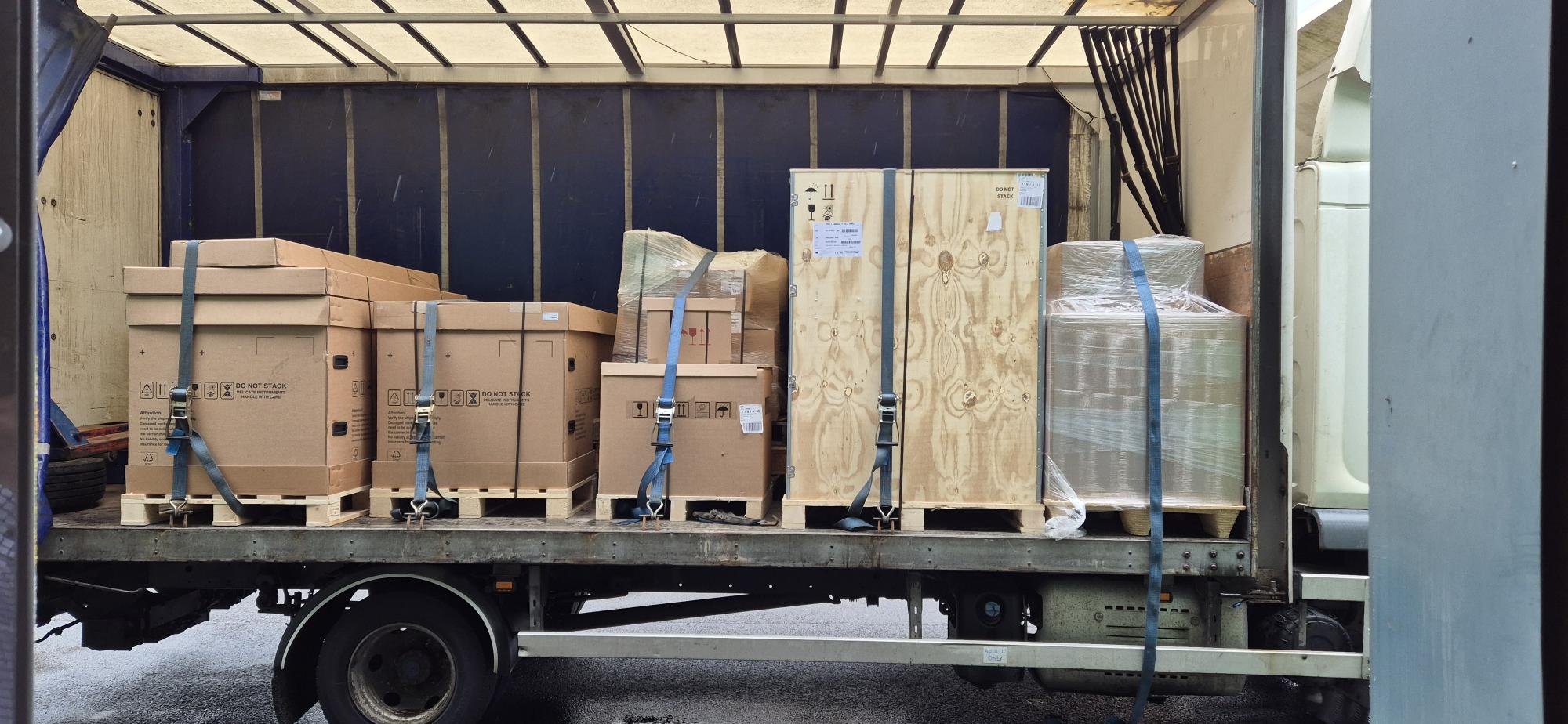
Figure 1. The fellowship of HLA PRO pallets!
A month later, the Leeds team was independently operating the system and running Validation and Verification testing. Following satisfactory concordance against the existing workflow, the One Lambda™ HLA PRO entered routine use for running LABScreen™ assays.
The secret behind this was a structured four-week plan, with clear milestones and regular communication between all stakeholders. VH Bio acted as the key point of contact, liaising between the Leeds Transplant Immunology and One Lambda/ThermoFisher teams to keep the installation, training and implementation on track.
Weeks 1 and 2 – Assembly, Quality Control and Scripting
The first two weeks focused on getting the instrument ready for laboratory use.
A team of two Field Service Engineers (FSEs) from ThermoFisher Scientific assembled the One Lambda™ HLA PRO, completed the required Quality Control checks and configured the system.
A huge advantage with the One Lambda™ HLA PRO is that the manufacturer has already developed scripts to support the intended workflows. These include Luminex-based assays such as LABScreen™ and LABType™, as well as NGS-based HLA typing workflows such as AllType™ FASTplex.
Ali Wortley, VH Bio’s Managing Director, also provided an important link between the engineering team and laboratory during this stage, helping ensure the installation remained aligned with the laboratory requirements. This close involvement continued throughout the implementation, with members of the VH Bio team on site at different stages of the process. From installation and configuration through to hands-on training and the transition towards independent operation, VH Bio remained engaged alongside the Leeds laboratory and One Lambda/ThermoFisher teams.
This provided continuity throughout the four-week implementation, with the laboratory able to draw on support from people familiar with both the technology and the practical requirements of an HLA laboratory.
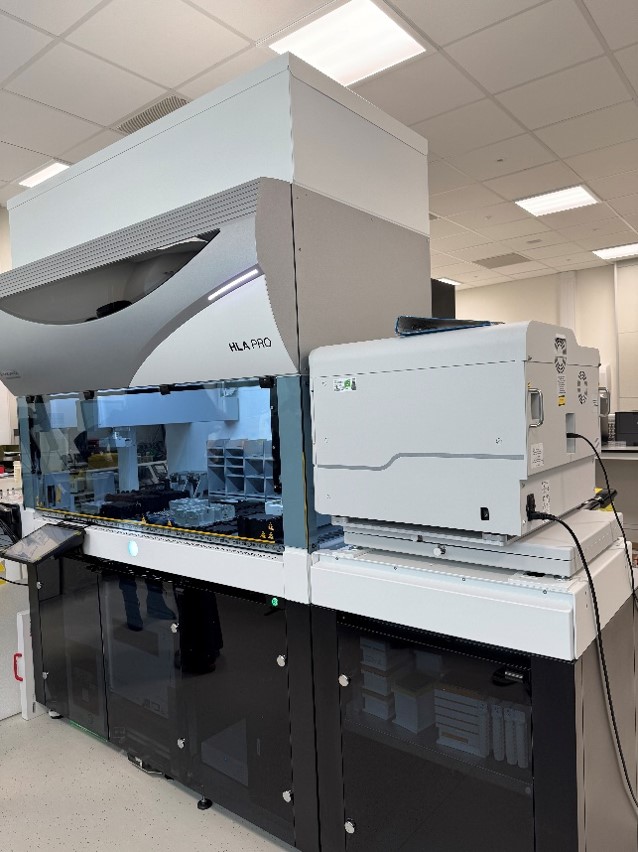
Figure 2. The One Lambda™ HLA PRO, fitting perfectly into the lab.
Scripting and configuration may be the unseen part of an automation installation, but they are fundamental to getting the system ready for routine use. The work undertaken by the FSEs provided the foundation for the next stage: handing the technology over to the laboratory team.
Week 3 – Hands-On Training
Once the instrument had been assembled and configured, a Field Application Specialist (FAS) from ThermoFisher Scientific, together with a Transplant Technical Sales Specialist from VH Bio, joined the laboratory team for hands-on training. The focus shifted from preparing the system to preparing the users.
Laboratory staff were introduced to the operation and maintenance of the One Lambda™ HLA PRO, as well as the modified LABScreen™ workflow. The objective was clear: by the end of the week, the laboratory team should be confident operating the system independently.
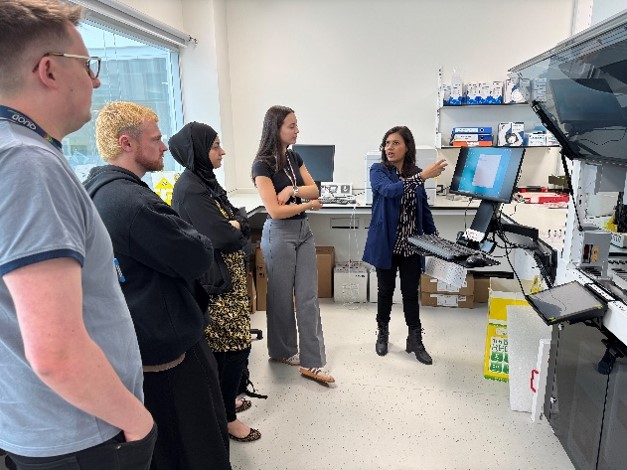
Figure 3. Field Application Specialist Rena Singh training users Lucy, Mahbouba, Angus and Cameron
Multiple runs were set up by four different operators under the supervision and oversight of Rena Singh, FAS. This provided the team with practical experience across the workflow and demonstrated the ease of use of the system, while also highlighting the low training burden.
Week 4 – Independent Operation
Week four marked an important milestone, with the Leeds laboratory team taking over sole operation of the One Lambda™ HLA PRO and beginning their Validation and Verification testing. The objective was not simply to demonstrate that the instrument could run the workflow, but to establish that the automated process could produce results concordant with the laboratory’s established method.
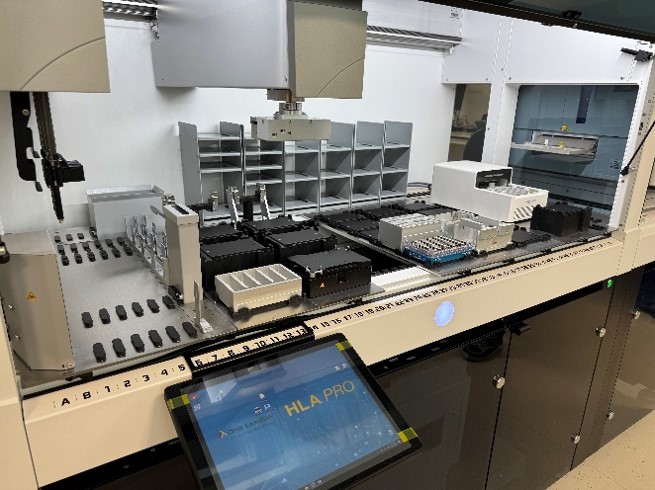
Figure 4. The deck of the One Lambda™ HLA PRO.
Given the potential clinical impact, the laboratory went on to process hundreds of tests on the system, including EQA samples, run using both LABScreen™ Mixed and Single Antigen assays. The results demonstrated a high level of concordance between the automated workflow and the laboratory’s existing process, providing the team with confidence in the performance and reproducibility of the One Lambda™ HLA PRO. The laboratory has already performed its first ‘live’ clinical run, which represents a significant milestone in the implementation, demonstrating that the One Lambda™ HLA PRO has moved beyond initial validation and into genuine clinical use within the laboratory. With the system now successfully supporting clinical testing, the Leeds team is well on the way to incorporating the HLA PRO into routine laboratory practice.
Beyond Installation: Proving the Workflow
The Leeds experience illustrates an important principle in laboratory automation. A successful installation isn’t simply about getting an instrument to operate, but about demonstrating that the technology can deliver the required laboratory performance.
By running Validation and Verification samples against the established workflow, the Leeds team were able to assess the automated process in the context of its own laboratory, using its own samples, operators and established testing approach. The resulting concordance provided an important bridge between implementation and routine use.
Why the One Lambda™ HLA PRO?
HLA laboratories increasingly operate across multiple diagnostic technologies across two modalities: Serology and Molecular. For Serology, LABScreen™ is used for Luminex-based HLA antibody testing, while for molecular HLA typing, labs may use Luminex-based LABType™ alongside newer NGS-based approaches such as AllType™ FASTplex. This creates a particular challenge when considering lab automation.
Rather than viewing automation as an isolated solution for a single assay, the One Lambda™ HLA PRO is designed to support the full gamut of HLA laboratory activity; serological and molecular.
The One Lambda™ HLA PRO isn’t simply about automating one repetitive pipetting step; its potential value lies in providing a common liquid handling platform across multiple HLA workflows, with the deck largely remaining unchanged. For laboratories planning their automation strategy, that flexibility is key since an automation platform should not only address today’s requirements but also have the potential to support the laboratory as its testing portfolio develops. As HLA laboratories continue to evolve, that flexibility becomes increasingly important.
The Customer Experience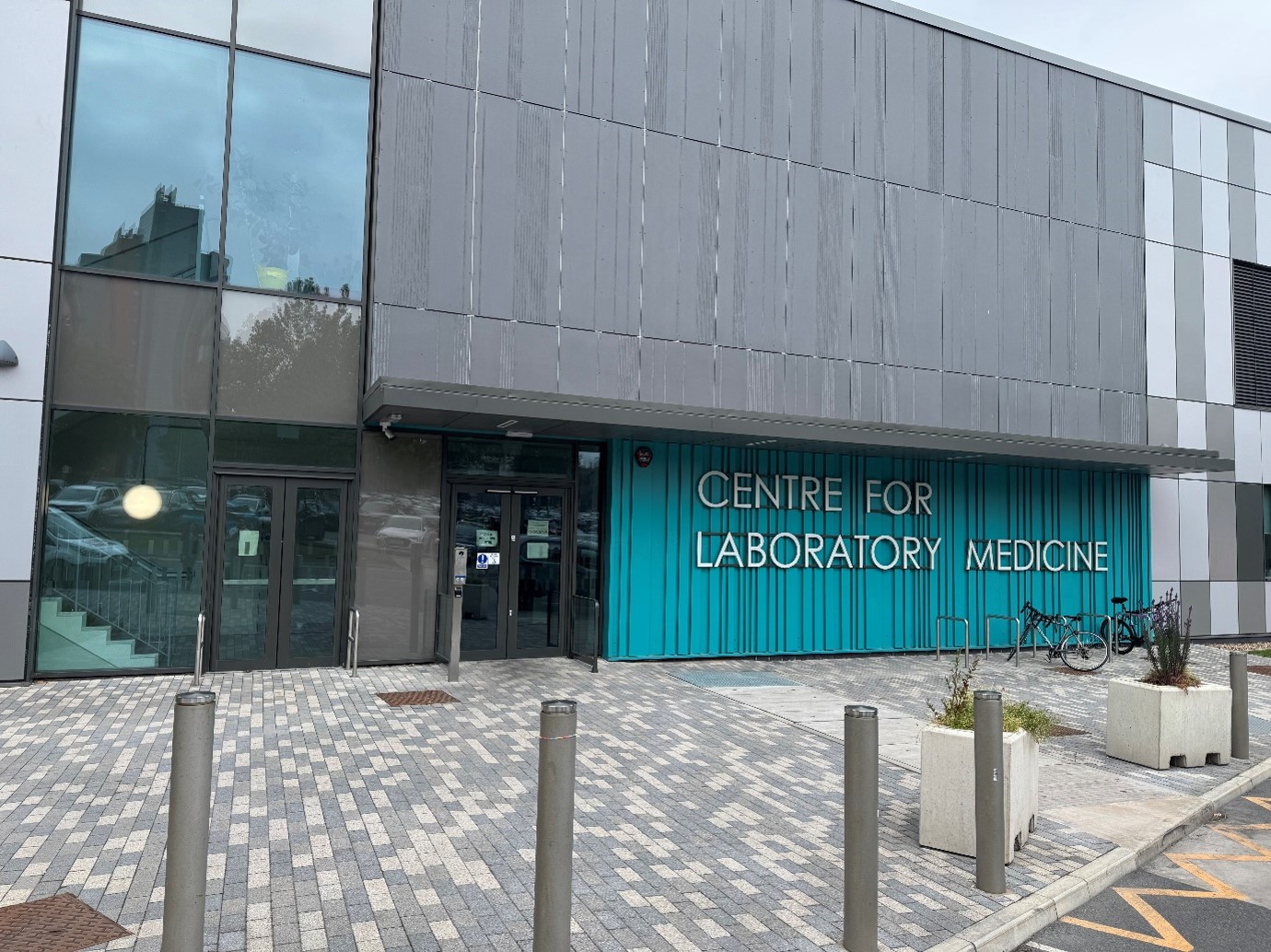
“The Leeds Transplant Immunology Laboratory took delivery of the HLA PRO instrument in early June 2026, with installation of the platform performed the same week by an international One Lambda™ [ThermoFisher Scientific] team. On-site training on the operation of the HLA PRO was delivered the following week; the installation and training process was well organised, delivered by very knowledgeable engineers and scientists and ran smoother than could reasonably be expected for the installation of such a large platform!
“At the time of writing, we are finalising our verification of the platform for use with the LABScreen™ Mixed and Single Antigen assays. Early data from our verification suggests the HLA PRO is providing robust results with a reduced Measurement uncertainty as compared to the LABXpress™ platform. Feedback from the scientists operating the platform show that the HLA PRO is proving easy to use with user-friendly operation, maintenance and troubleshooting.
“We were fortunate enough to keep our LABXpress™ platform operational throughout the verification process; this has given us the luxury of being able to perform our initial testing over a period of 8 weeks without a significant impact on our service delivery. This process could quite feasibly have been conducted faster if operationally necessary.
“We are soon to explore the ability of the platform to semi-automate elements of the FASTplex NGS library preparation process.”
-Mark Lobb
Principal Clinical Scientist, Operational Lead
Transplant Immunology, Leeds Teaching Hospitals NHS Trust
A Real-World Model for Automation of Transplant Diagnostic workflows
This wasn’t a theoretical demonstration, but a real automation implementation in a working H&I laboratory. The Leeds experience provides a practical example of how the One Lambda™ HLA PRO can be introduced into a specialist service. It starts with hardware, but ends with people, processes and performance. The result is not simply a new piece of equipment, but an automated platform integrated into the working laboratory.
The journey matters, since the instrument itself is only part of the decision. Labs need to consider:
- How long does it take to assemble and configure?
- How much support does the laboratory receive?
- How quickly can staff become competent and independent?
- How is the new workflow compared with the existing process?
- When does automation become part of routine lab practice?
At Leeds, the answer came after four weeks of structured implementation. With the ability to support both serological and molecular Transplant Diagnostic workflows, the One Lambda™ HLA PRO provides a compelling proposition for laboratories looking to develop their automation strategy.
The question is no longer ‘Which assay should we automate?’ but rather ‘How much of our HLA lab can we automate with one platform?’
One platform. Multiple workflows. A structured path from installation to routine use.
Get in touch by filling in the form below to discuss your laboratory’s requirements and the One Lambda HLA PRO.
Enquire about this article
"*" indicates required fields
